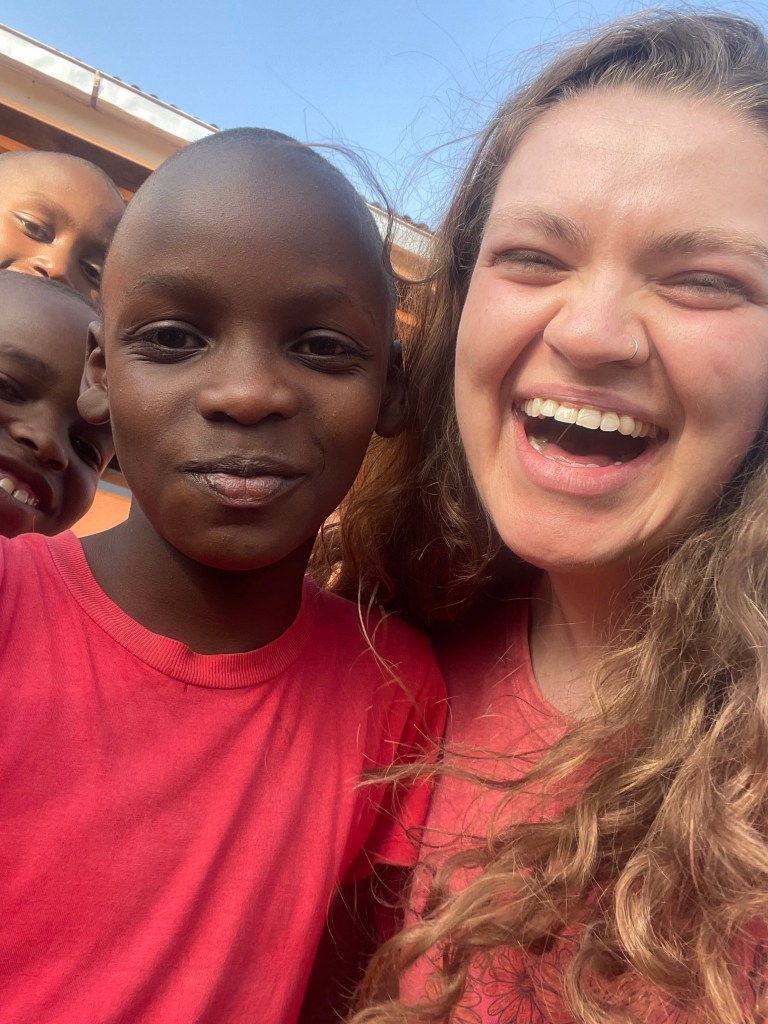
“It’s taking a long time to get in what I needed for my penny tile backsplash,” I overhear two women in the grocery store talking about remodeling the kitchen, the bathroom, the mudroom, the pantry closet. I immediately thought of Tumutumu and the similar words I had heard there. But they weren’t talking about a penny tile backsplash. They were talking about water. And it wasn’t, “It’s taking a long time…” but “There is none.” There is no water in our well. There is no water for the plants. There is no water for our cow and so now there is no milk. And…
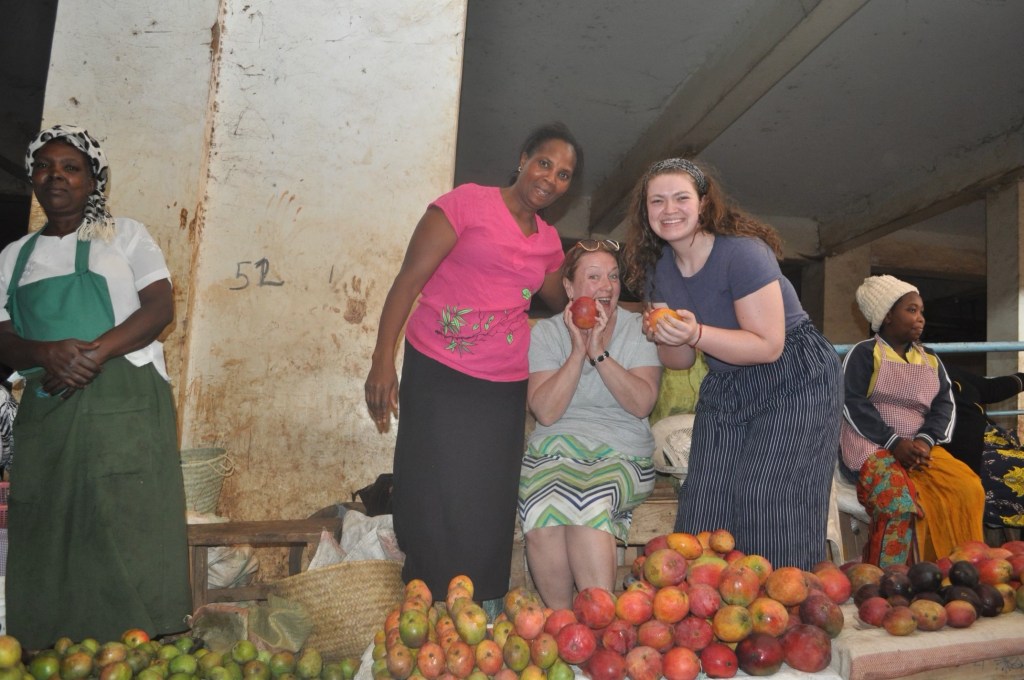
I grab my guacamole off the shelf and smile a little. The whole week I asked for avocados and looked for them everywhere we went. It wasn’t avocado season in Kenya so there were no avocados. It was an odd concept for me to understand that you can’t just get any food you want at a grocery store. So there were no avocados…but there were mangoes. Mangoes everywhere. With so many people selling mangoes how could anyone make a profit off of a product that was in such a surplus? Yet the people here were more resilient than to let that stop them. I remember seeing the glow on Carol and Purity’s face as they shared what they learned in their business classes and their hard work they put in to make a profit. “And they see our mangoes and they see the mangoes next to ours and even though ours are more, they buy ours because they are of higher quality,” Purity shared. These people learned not just how to survive off of the seasons but to thrive in them with the help of education and dedication.
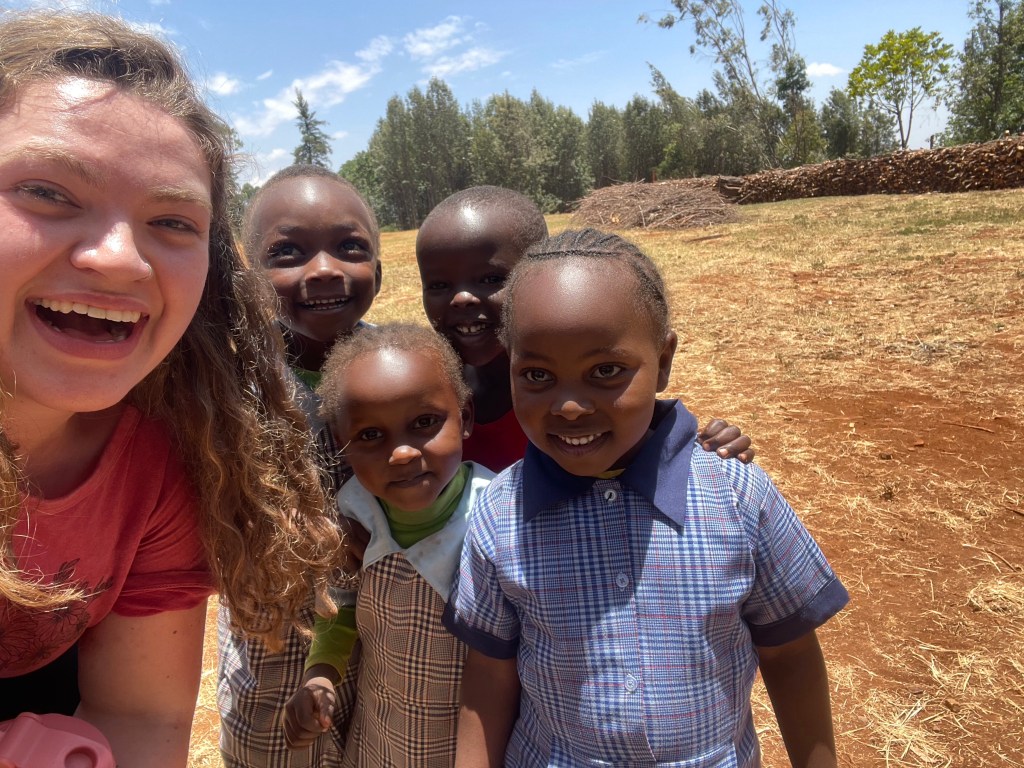
I pick up a container of 1-minute oats and drop it into my cart. I think of the herd of kids running towards the kitchen at school to grab their porridge. When they got back to the classroom, I saw a few kids who had not just one type of snack but an assortment of breads and torn chapayti and other familiar carb-y foods. The teacher explained to me that if one child comes without food, the other children will all give bites from their snack to that child. I brushed away a tear as I saw five-year-olds fling fragments of food without even being asked to their classmate who just moments before had nothing.
I go down my favorite aisle now: coffee. How Americans feel about coffee is how Kenyans feel about tea, and I don’t blame them. If our tea in America tasted the way it does in Kenya, I would never drink coffee again. The milky tea seemed to bring people together there. When Selah invited me into her home, tea was one of the first things we prepared. I sat on a stool about three inches off the ground and stirred a ginormous pot over an open fire. Smoke kept coming into my eyes and when I asked our other friend, Joseph, how I was supposed to take it off the fire, he pointed to my bare hands. “Really?” I asked. He said, “I’ll do it for you.” Another moment passed and he said, “Selah does this everyday.”
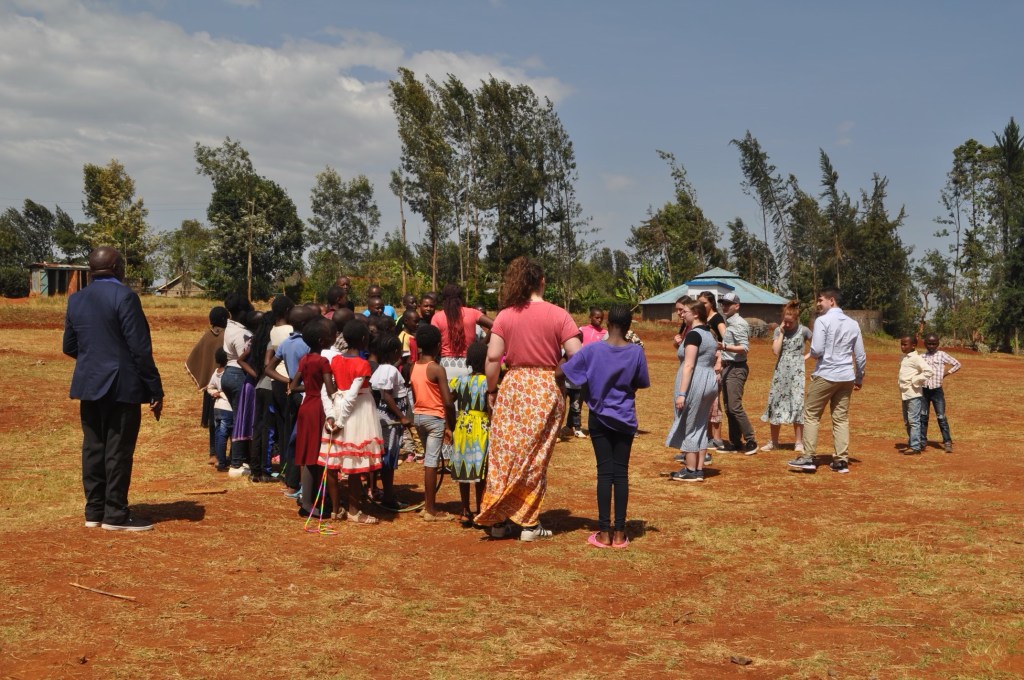
I line up my grocery cart of items on the belt and different memories play through my head. The people welcomed me into their schools, their churches, their homes. They prayed over me and thanked me for my prayers over them. They didn’t ask anything of me other than God’s blessings, and as they made a place for me to be a part of their life for one short week, I think they blessed me more than I ever could have blessed them.
As a kid, I remember hearing of “Africa” as a place that was full of hardship, but I think that is the wrong way of looking at it. The people in Tumutumu are not defined by the hardship they undergo but by the hard work they are determined to do and all of the love that flows out of them. Mungu aku bareki, my friends in Tumutumu.
by Hope Showers
 Dr. Paul McGuinness